Four ingredients. Every one of them chosen.
Most coffee is three things nobody asks about: syrup, commodity milk, and beans of unknown origin. Here's what's in ours, and why.
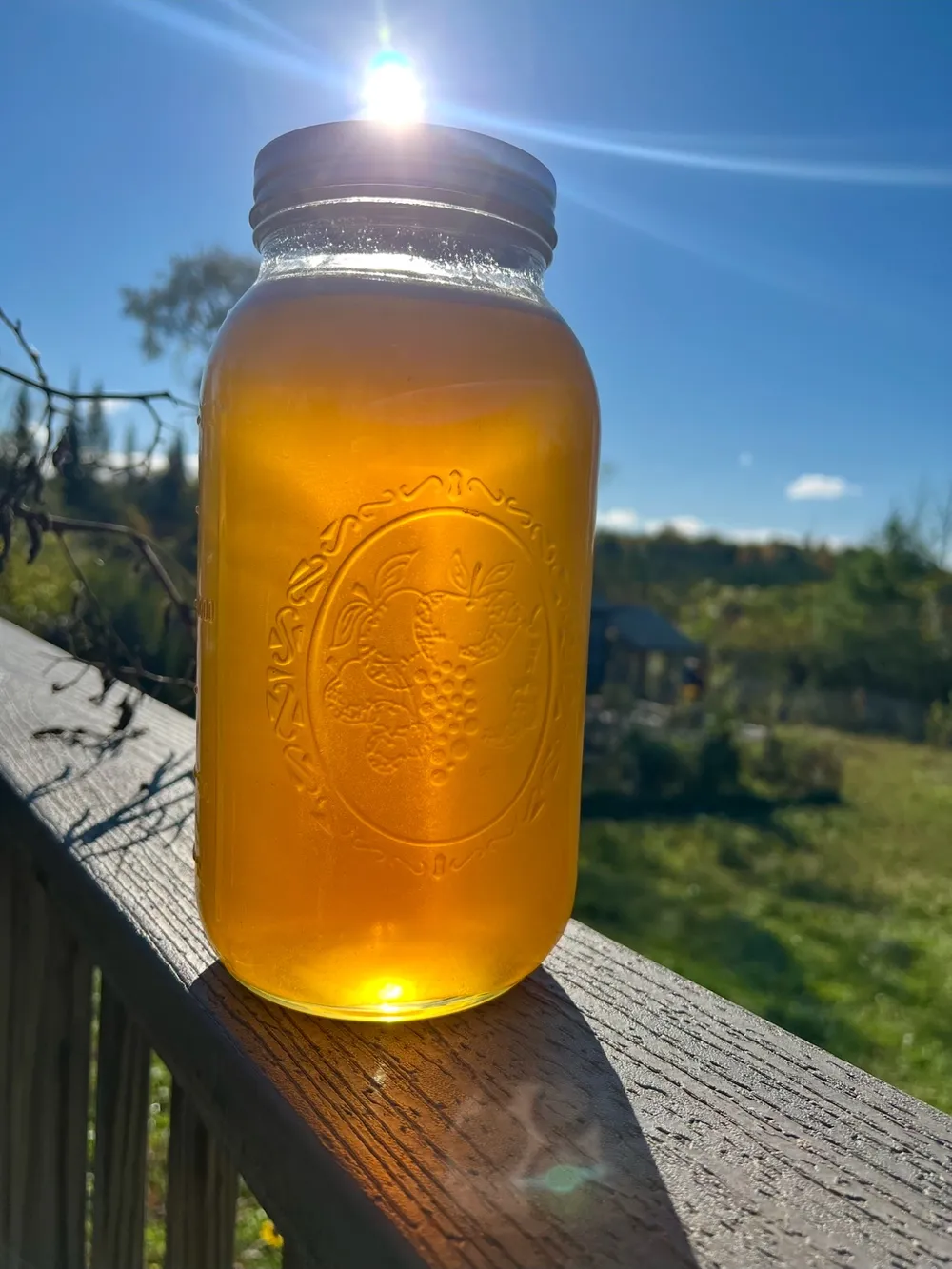
Raw local honey, never syrup
Most cafés build their flavor menus on syrups — roughly five to six grams of sugar per pump, with a standard four-pump drink landing near twenty-three grams before anything else goes in. We don't use syrup at all. We use raw honey from local farms, cold-infused with whole ingredients so the enzymes survive, at four to six times standard intensity. A smaller quantity delivers a larger sensory return.
Honey's glycemic behavior also varies enormously by floral source, so we select single-source raw honeys with a gentler absorption curve rather than treating “honey” as one thing. And we add it at the end, never under steam, because heat is what degrades the parts that make raw honey worth using.
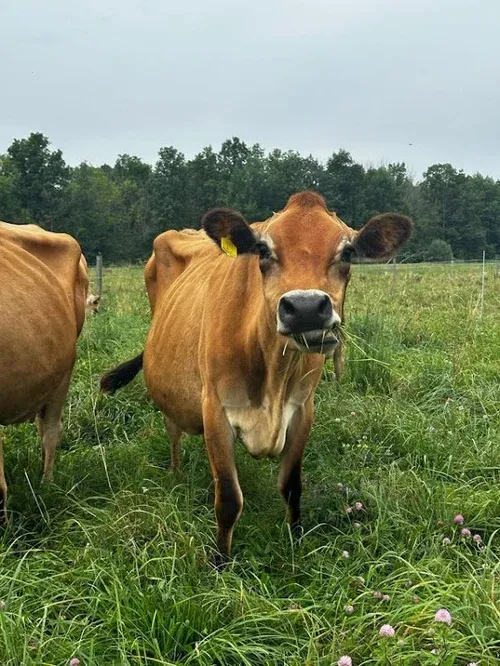
Whole A2 grass-fed milk, low-temp pasteurized
The average latte is about two-thirds milk, and almost nobody asks where it came from. Foodservice standard is ultra-pasteurized commodity milk from grain-fed herds, because it ships and stores cheaply.
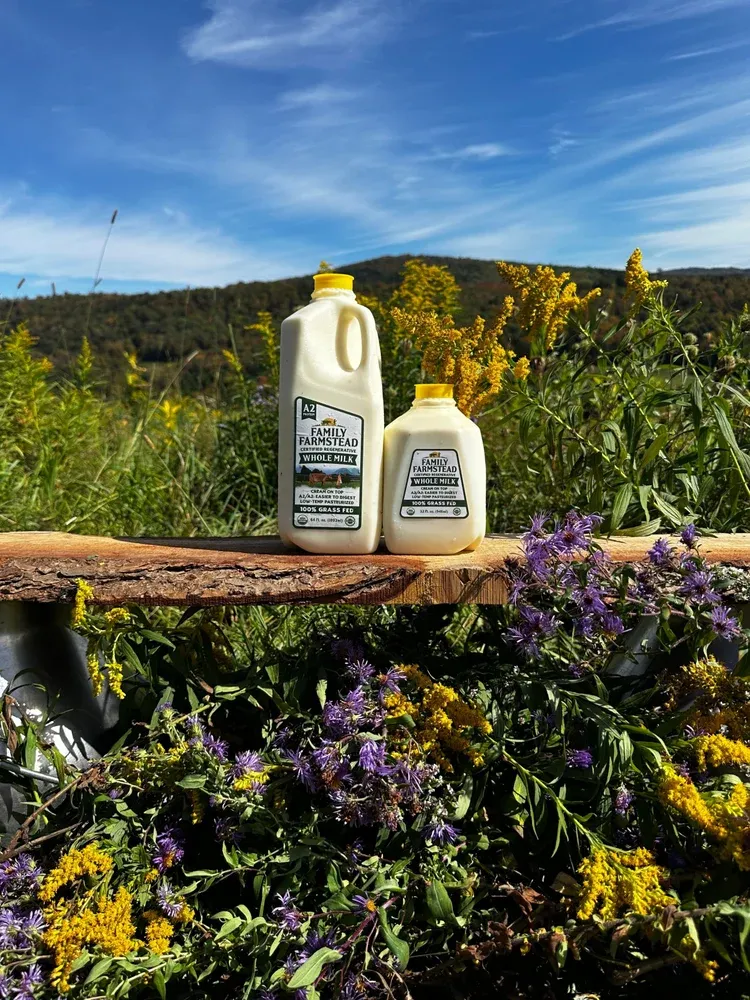
Pasteurization is non-negotiable and we fully endorse it — but temperature is a dial, not a switch. Higher heat costs vitamins and reshapes the whey proteins, which is where that faintly cooked, flattened flavor in most café milk comes from. We use low-temperature pasteurized whole milk from a certified A2/A2 grass-fed herd at Family Farmstead.
Pasture-raised milk carries a meaningfully better fatty acid profile than conventional. Whole rather than reduced-fat, because vitamins A, D, E and K2 travel in the fat and are physically removed when the cream is skimmed. A2 beta-casein because some people digest it more comfortably.
Traceable specialty lots, ground to order
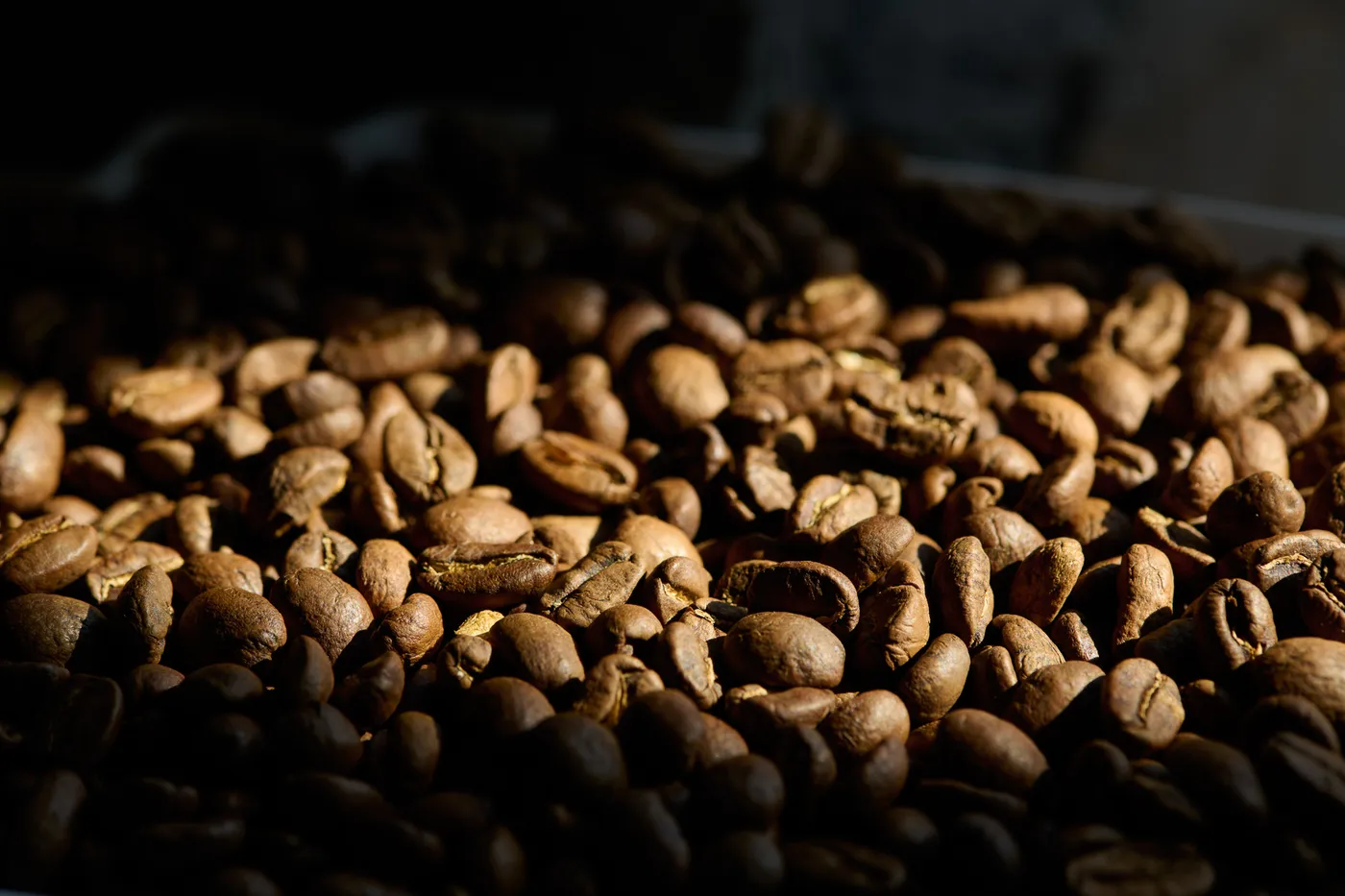
Coffee is one of the most health-associated habits in the modern diet, and the industry has spent a generation burying that under sugar. The active chemistry is polyphenolic — chlorogenic acids, concentrated highest in lighter roasts and declining as roast progresses. That's one reason we roast to preserve rather than to caramelize.
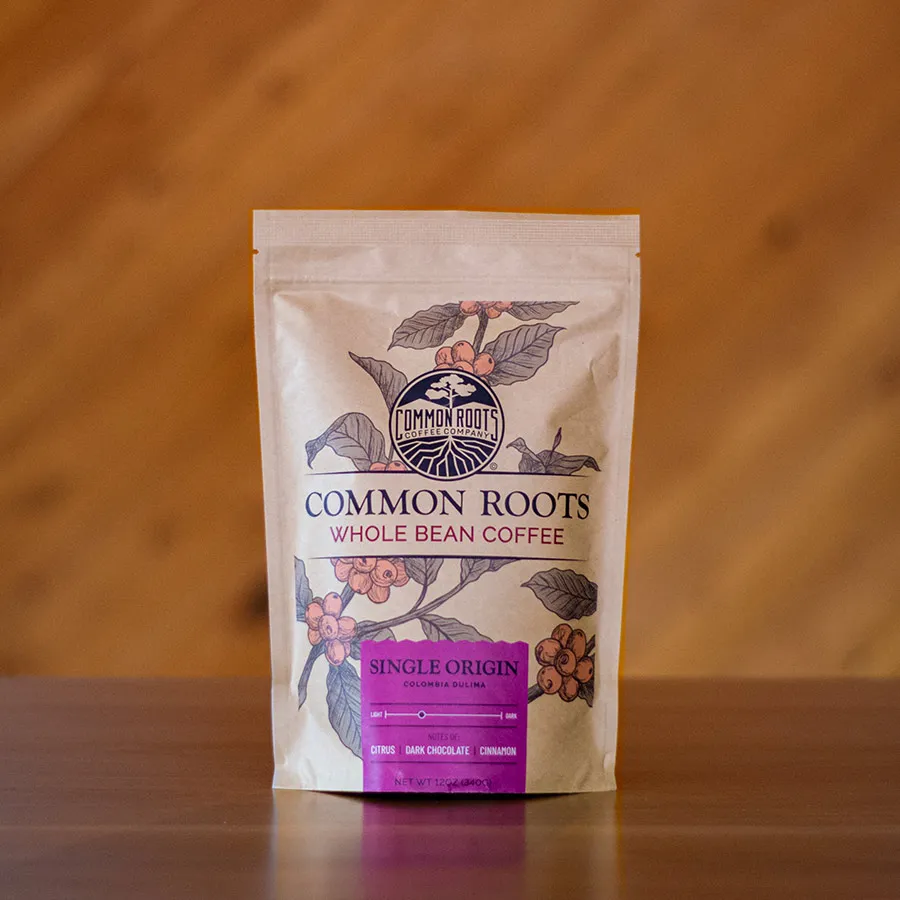
We source specialty-grade, traceable lots with documented drying and storage, because the real quality risk in coffee concentrates in opaque commodity supply chains rather than at the point of sale.
Then we grind at the bar, seconds before extraction. Grinding multiplies a bean's exposed surface area enormously and the aromatic compounds begin oxidizing immediately. Pre-ground coffee is stale coffee, and staleness is the flavor most Americans have been trained to accept as coffee.

Purified and remineralized water, plastic-free service
Water is over ninety-eight percent of what's in the cup and almost nobody talks about it. We purify ours and then remineralize it deliberately, because extraction depends on mineral content — soft water under-extracts and flattens everything downstream of it.
Our cups are compostable and plastic-free. Standard coffee lids aren't designed for the temperatures they're used at; ours are. Iced drinks come with sip lids instead of straws. Everything inside the cart, down to the cleaning supplies, is chosen on the same basis.